 CLUJUST Justitie. Stiri. Anchete. Procese. Avocati. Sistemul judiciar. Interviuri. Jurisprudenta. Portal. Cluj.


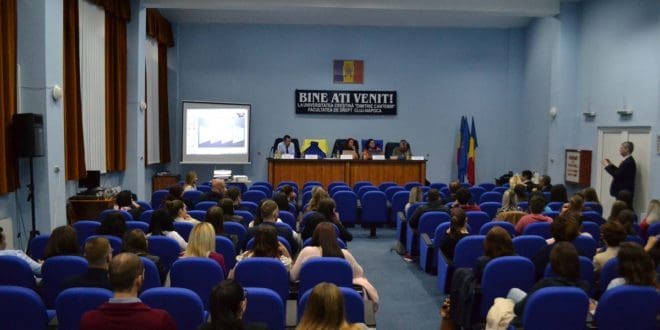

A 7-a ediție a conferinței internaționale Eficiența normelor juridice, organizată de Facultatea de Drept ”Dimitrie Cantemir” Cluj-Napoca, s-a desfășurat în perioada 18-19 mai sub semnul Centenarului Marii Uniri.
A 7-a ediție a Conferinței internațională Eficiența normelor juridice a fost intitulată ”Democrația prin legea civilă, legea penală și justiție”, iar unul dintre cele două workshop-uri a avut ca temă ”Evoluția legislației în România după Marea Unire de la 1918”.
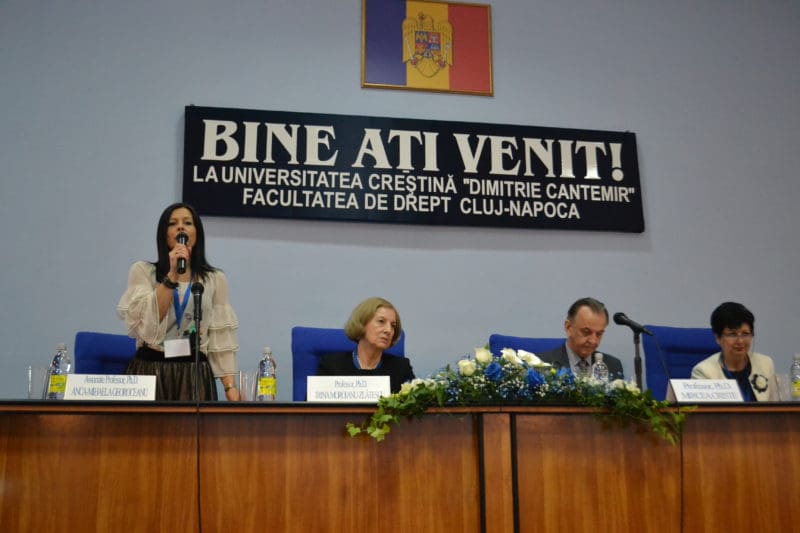
În deschiderea conferinței, decanul Facultății de Drept ”Dimitrie Cantemir” Cluj-Napoca, conferențiar Anca Georoceanu, a spus: ”Este un privilegiu pentru mine să mă aflu astăzi aici la deschiderea celei de-a 7-a ediții a conferinței internaționale Eficiența normelor de drept, organizată de Facultatea de Drept Cluj-Napoca din cadrul Universității Creștine Dimitrie Cantemir București. Sunt onorată să observ un auditoriu de onoare. Apreciez faptul că mare parte dintre cei prezenți astăzi în sală s-au reîntors în facultatea noastră, fiindu-ne alături și în anii anteriori. Mă bucur totodată de prezența unor personalități în domeniul dreptului cărora le urez bun venit.
Apreciez foarte mult și mulțumesc din suflet în special profesorilor care sunt alături de mine în prezidiu: doamna profesor Irina Moroianu Zlătescu și domnul profesor Mircea Criste, care au fost alături de noi la toate edițiile. Bineînțeles mulțumesc oaspeților care vin de departe pentru a ne fi alături. Mulțumesc în mod special comitetului de organizare pentru implicare și devotament. Sper din tot sufletul că rezultatele lucrărilor ce vor fi astăzi prezentate vor avea un efect benefic, care să fie în măsură să răsplătească eforturile tuturor organizatorilor și participanților.”

Președintele comitetului științific și al celui organizatoric al evenimentului, conferențiarul Elena Mihaela Fodor, le-a spus participanților: ”Ne bucurăm cu adevărat că ați dat curs invitației noastre la cea de-a 7-a ediție deja a acestei conferințe. Mulțumim participanților care au contribuit cu rezultatele cercetărilor lor la primul număr din acest an al revistei Fiat Iustitia. La scurt timp după publicare, comitetul de redacție a primit mailuri cu întrebări referitoare la cum putem publica și noi în revista dvs, ceea ce ne-a făcut o deosebită plăcere. De asemenea, i-aș ruga pe cei care nu au reușit să finalizeze articolele legate de prezentările pe care le vor avea dacă este posibil să trimită lucrările până la 1 iulie, ca să putem finaliza următorul număr până în cursul lunii noiembrie. Mulțumim partenerilor tradiționali, precum și celor care s-au alăturat în acest an.
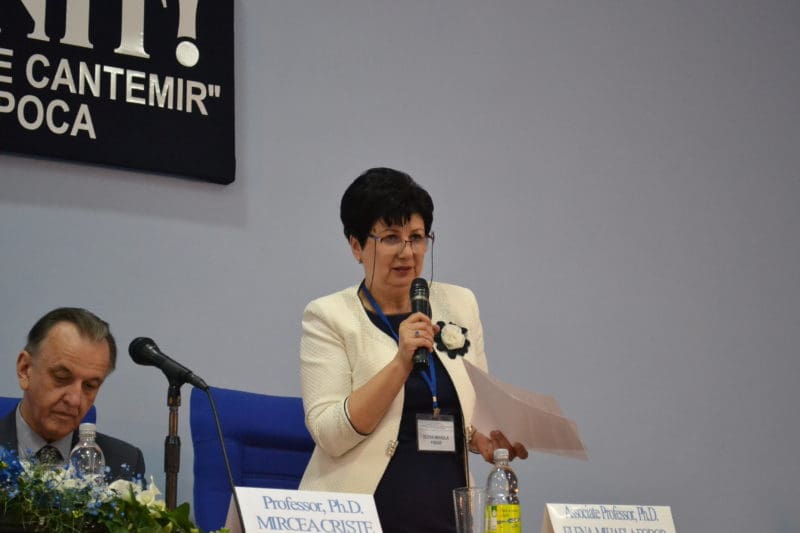 Fodor a vorbit și despre tematica din acest an – democrația: ”Democrația este un sistem politic și social dinamic, a cărui funcționare ideală nu a fost încă atinsă. Istoria a dovedit că istoria nu este nici liniară, nici ireversibilă, monitorizarea menținerii și progresului democrației fiind o sarcină ce revine atât instituțiilor statului, cât și fiecărui cetățean. Democrația este asociată cu Statul de drept, cu pacea, securitatea, progresul și dezvoltarea economică și socială, respect pentru drepturile omului, deziderate atinse prin voința liberă exprimată a poporului de a determina propriile sisteme socio-culturale și economice. Complexitatea fenomenului democratic și legătura cu dreptul ne-a determinat pe de o parte să alegem democrația ca temă particulară a conferinței din acest an și pe de altă parte să dedicăm workshop-ul privitor la cei 100 de ani de la Marea Unirii parcursului legislației românești în timpul acestei sute de ani. ”
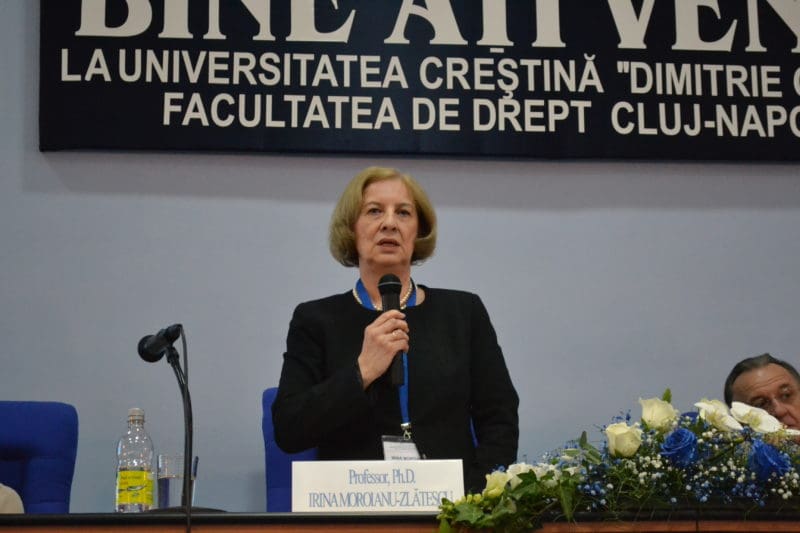 Irina Moroianu Zlătescu, ale cărei cercetări sunt concentrate în sfera dreptului comparat și a drepturilor omului, a amintit de marele profesor Gheorghe Boboș, în contextul înființării recente a Centrului Transdisciplinar de Drept și Drepturile Omului: ”Vorbind de transdisciplinaritate și drepturile omului, nu pot să-l uit pe domnul profesor Boboș, care în anii 90 a fost sufletul creării învățământului privat juridic, dar nu numai, dar și al instituților de bază ale statului de drept, fiind unul dintre susținătoriii creării Avocatului Poporului, Institutului Român pentru Drepturile Omului și altor instituții de acest fel.”
”Este întotdeauna o mare plăcere și o mare onoare să mă aflu la această conferință care deja și-a creat o faimă și este binecunoscută. Suntem un grup care ne revedem în fiecare an.”, a spus profesorul Mircea Criste.
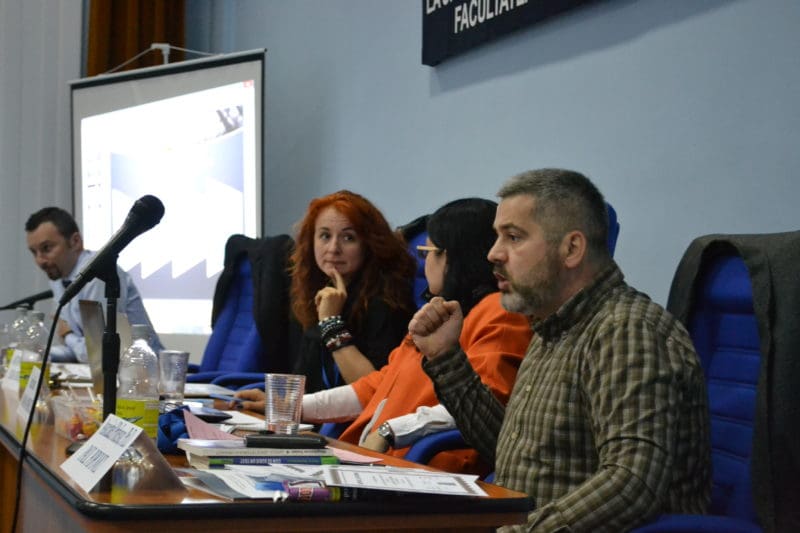
În cadrul workshop-ului despre evoluția legislației în România în ultimii 100 de ani, participanții au avut o dezbatere interesantă despre legi, din perioada interbelică până în zilele noastre, când se discută despre modificarea Constituției în sensul redefinirii familiei drept căsătoria dintre un bărbat și o femeie, nu între soți cum e acum. Conferențiarul Mihnea Radu a spus că nu este nevoie de modificare deoarece căsătoria este definită clar în Codul civil. Profesorul Emilian Ciongaru a atras atenția asupra numărului foarte mare de modificări la Codul fiscal, în număr de circa 2000.

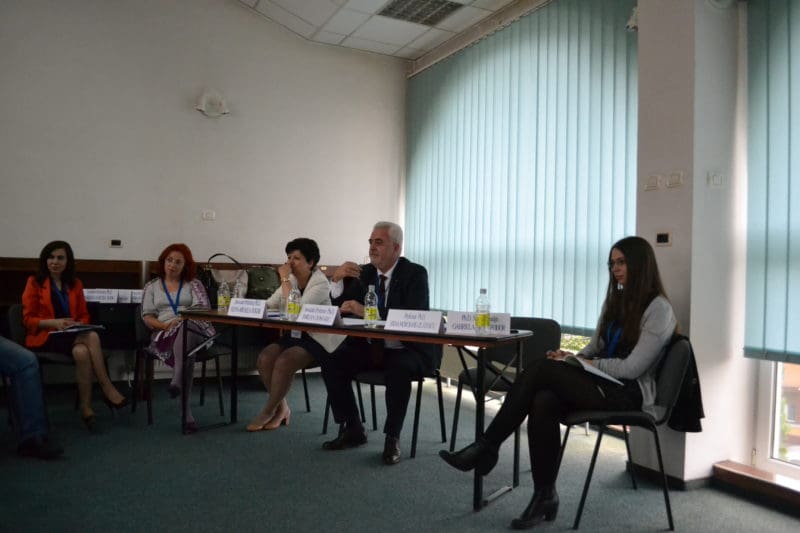
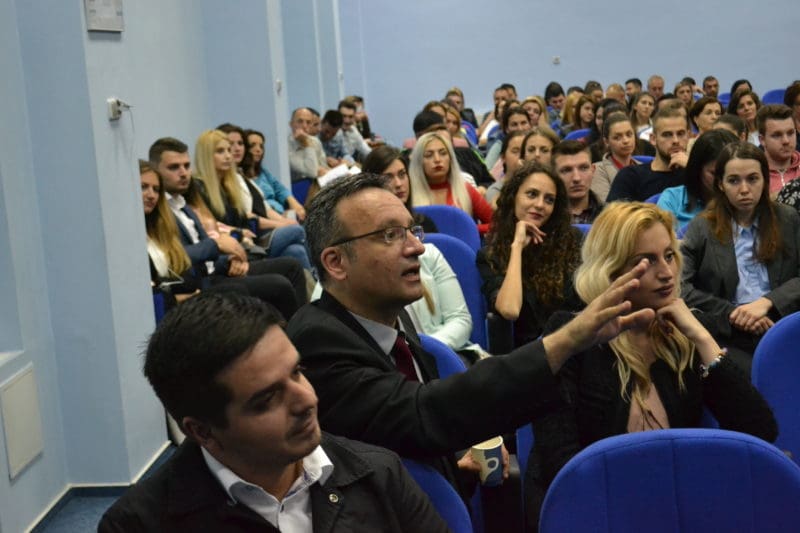
Un număr mare de studenți au participat la al doilea workshop, cel despre drumul de la lucrarea de licență la una de cercetare, la care au vorbit experți în drepturi de autor.
Programul, speakerii și titlurile lucrărilor:
17 mai 2018
SECTION I
Part I CHAIR: Mihnea-Dan Radu
AMELIA DIACONESCU, Corruption – A Reality of Our Days
IOANA-CRISTINA VIDA, Politics and Constitutionality: The Case of Poland
CRISTIAN-DUMITRU MIHEŞ, Criminalization of the Offences Related to Labour Law
EUGEN GHEORGHE CRIŞAN, Effects and Limits of the Constitutional Court Decisions in Criminal Matters
ADRIAN BULGARU, Promoting Democracy in Respect for Fundamental Rights and the Rule of Law through Legal Education
ELENA MARINICĂ, European Union Issues – Protecting Democracy, Human Rights and the Rule of Law
Part II CHAIR: Elena-Mihaela Fodor
GORDANA GASMI, European Legal Principles on Human Rights and Democracy – Importance for the Western Balkans
ANTAL VISEGRÁDY, ESZTER VÖRÖS, The Effectiveness of Alternative Dispute Resolution Methods
JOANNA MARIA STUDZINSKA, The Role of the Supreme Court in Poland in Obeying the Civil Legal Rules Protecting Democracy
VEDIJE RATKOCERI, Chemical Castration and Human Rights
PETRU ZLĂTESCU, New Chalenges in the Field of Human Rights Concerning the Migration Phenomenon
SECTION II
Part I CHAIR: Rodica-Diana Apan
GEORGETA ILIE, The Latest Investment Treaties and their Impact on Future International Investment Transactions
ANCUŢA GIANINA OPRE, SIMONA ŞANDRU, The Legal Regime of the Processing of Personal Data in the Public Sector, in the Context of the General Data Protection Regulation
FLORIN-IONEL TRUŞCĂ, Considerations on the Local Fiscal Procedure in Romania in the Context of the New (EU) Regulations in the Field of Protection of Individuals with Regard to the Processing of Personal Data
ANDREA KAJCSA, Transparency in the Activity of Public Administration in the Light of the General Data Protection Regulation
MIHAELA-IOANA TEACĂ, Adoption-Normative Regulations from a Historical Perspective. The Problem of Adoption in Homosexual Couples
DAN ŢOP, LAVINIA SAVU, The Regime of Contravention Sanctions in the Field of Labour Relations According to the Prevention Law No. 270/2017
Part II CHAIR: Codruţa-Ştefania Jucan
FLORINA-FLORENTINA MOROZAN, Considerations of the Participation of Children in the Civil Trial
BUJOREL FLOREA, VLAD-TEODOR FLOREA, Application of the Rules Relating to the Mandate with Representation in the Case of the Commission Contract (I)
ALEXANDRU AURELIAN CHIRIŢĂ, Lawyer’s Freedom of Expression
CARMEN-OANA MIHĂILĂ, The Primary Regime – a Family Protection Guarantee. Ways to Balance the Powers of the Spouses
ROXANA-MIHAELA MOISOIU, Aspects of Discrimination from the Perspective of the Migration Phenomenon
17 mai 2018
PLENARY SESSION
CHAIR: Elena-Mihaela Fodor
IRINA MOROIANU ZLĂTESCU, La continuité dans le droit roumain
MIRCEA CRISTE, Du passé à nos jours, un regard sur la démocratie
Book launch: “Health Law”/“Dreptul sănătăţii”, a research project of the Faculty of Law from Cluj-Napoca, “Dimitrie Cantemir” Christian University
SECTION I
Part I CHAIRS: Irina Moroianu Zlătescu, Elena-Mihaela Fodor
IRINA MOROIANU ZLĂTESCU, ALEXANDRA BUCUR, Trafficking in Migrants at European Level / Respect for and Promotion of Immigrants’ Rights
LUCIAN CHIRIAC, SONIA BIANCA BLAJ, The Philosophy of the Society Rights in the Application of Penalties in Implementing the Criminal Law
EMILIAN CIONGARU, Some Historical Considerations on the Division of the Law into Private and Public Law
MARIUS ANDREESCU, Acceptance of the Principle of Constitution Supremacy and of its Consequences in the New Criminal Codes
ELENA-MIHAELA FODOR, Transparency of the Activity of Public Authorities – a Guarantee of Democracy
Part II CHAIRS: Lucian Chiriac, Emilian Ciongaru
EMILIA GOGU, CORINA CRISTINA BUZDUGAN, DANIELA NENCIU, The Profile of the Student, Master Student and Doctoral Student
MARIANA IANACHEVICI, MARIA ORLOV, Legal and Institutional Aspects of Protection of Young Leavers of Alternative Care Based on Age
ROXANA-ELENA VIŞAN, Criminal Responsibility of Children in the Global Context
MIHAELA SIMION, MIRCEA CRISTE, Political Liability of the President in a Democracy
LUCIA ŞTEFANIA AVRAM, The Immigrant Family According to Romanian Civil Legislation
SECTION II
CHAIRS: Rodica Diana Apan, Gabriel Năsui
MARIA ALUAŞ, ROXANA MÂNDRUŢIU, The Reimbursement of Medical Expenses Incurred in Another Member State: Elena Petru Case
HORAŢIU CRIŞAN, Conscientious Objection and Morality in Medicine
DAN PERJU-DUMBRAVĂ, CODRIN REBELEANU, DĂNUŢA ŞTEŢCO, CARMEN CORINA RADU, The Confidentiality of the Medical Act Between Theory and Practice: a Brief Incursion into the Evaluation of the Press Statements Made by the Representatives of the Sanitary Institutions
CODRIN REBELEANU, DAN PERJU-DUMBRAVĂ, DANIEL URECHE, CARMEN CORINA RADU, The Activity of Private Forensic Experts: Impartiality or a Mercenary Job?
GABRIEL NĂSUI, The Duty of Care in the Medical Legal Relationship
SORINA LUCREŢIA DRĂGAN, CODRIN REBELEANU, Aspects Considering the Need to Harmonize the Specific Medical Forensic Legislation to the Romanian Civil Laws
CODRIN REBELEANU, SORINA LUCREŢIA DRĂGAN, Legal and Ethical Aspects of the Harvesting of Biological Samples From a Living Person Versus Harvesting Biological Samples From a Deceased Person
RODICA-DIANA APAN, ANGELA MIFF, The Subject-Matter Jurisdiction of Courts in Cases of Medical Malpractice; an Attempt to Settle a Procedural Dilemma
SECTION III
Part I CHAIR: Mihnea-Dan Radu
LUDO VENY, Citizens’ Participation at Local Level in Flanders
MACIEJ TROC, National Responses to Supranational Constitutionalism in the European Union
GABRIELA-AURA FODOR, The Child’s Access to Justice in Child Pornography Cases
CRISTINA-MARIA BADEA, The Court of Justice of the European Union’s View on the Freedom of Establishment and Freedom to Provide Services with Reference to Gambling Legislation
KINGA FLAGA-GIERUSZYŃSKA, Influence of Informatization on the Effectiveness and Reliability of Civil Proceedings on the Example of Polish Solutions
PYALI CHATTERJEE, Jurisprudence Aspect of Penal Law Relating to Rape in India: Special Reference to Marital Rape
Part II CHAIR: Ludo Veny
MIHNEA-DAN RADU, DANA-ELENA MORAR, Aspects Regarding the Tort Liability for the Prejudices Caused by the Underage in the Context of the Legislation on the Protection and Promotion of Children’s Rights
CODRUŢA-ŞTEFANIA JUCAN, A Solution of the Romanian High Court of Cassation and Justice Regarding the Administrative Litigations
KAHINA GOUDJIL, The Conceptualization of Freedom in US Politics; a Normative Strategy to Preserve Global Liberal Values
MERIEM GUERILLI, The Failing Idea of Democracy, Revisiting the Protection of Human Dignity
MARYAM KANDI DAYENI, NAVID MOLLAEE, International Legal Frameworks on Child Soldiers Protection
SECTION IV
Part I CHAIR: Anca-Mihaela Georoceanu, Camelia Reghini
ANCA-MIHAELA GEOROCEANU, Considerations Relating to the Transfer of Fiscal Duties of Social Contributions
CAMELIA REGHINI, Causes that Exclude the Offence in Modern Criminal Law
MARIANA-NARCISA RADU, Penalties by Fine as an Alternative Sanction to Imprisonment in the Regulations of Romanian Legislation
ALEXANDRU CICALĂ, The Retrospective of Incrimination of the Offense of Illegal Abortion in the Republic of Moldova
IGOR SOROCEANU, ALEXANDRU CICALĂ, Democratic Considerations Regarding Abortion – Moral-Spiritual Points, Consequences and Legal -Criminal Framing
Part II CHAIR: Corina-Cristina Buzdugan, Mariana-Narcisa Radu
DANIELA-CRISTINA VALEA, The Right to Information in the Criminal Trial in Romania
GHENNADI CALCAVURA, VICTORIA BUTNARU, Democratic Aspects of the State of Extreme Necessity in the Criminal Field
IGOR TROFIMOV, EUGENIA GUGULAN, Repairing the Damage Caused to the Animal World by Practicing Illegal Hunting
CĂTĂLINA-GEORGETA DINU, Difficulties in the Implementation of the Community Work Sanction
NICOLAE ROŞ, Financing Electoral Campaigns
SECTION V
Part I CHAIR: Ilie Urs
ILIE URS, Considerations on the Option Pact Related to the Sales-Purchasing Contract
TUDOR ONIGA, Minors Rights to Moral Damages as Indirect Victims of Road Accidents
SIDONIA CULDA, The Principle of Party’s Disposition in Civil Lawsuits
PAUL POPOVICI, Democracy and Intellectual Property. A Synthesis
ANCA-ROXANA ADAM, Oblique Action-Means of Preserving the Debtor’s Patrimony
Part II CHAIR: Vladimir Mătuşan
VLADIMIR MĂTUŞAN, Some Considerations Regarding the Possibility of Amending the Enforcement Title Represented by a Final Court Judgment Viewed from the Perspective of Both National Legislation and ECHR Jurisprudence
MARIA ORLOV, ION BUZINSCHI, Administrative Jurisdiction in the Legislation of the Republic of Moldova
VLADIMIR RUSU, The Principle of Openness and Transparency in the Activity of Central Administrative Authorities in the Republic of Moldova
VLAD-DAN OANEA, The Evolution of the National Church Fund After the Great Union
VIOREL SÎRCA, Social Reintegration of Juvenile Delinquents in the Light of the Restorative Justice
ALEXANDRU CORDOŞ, Theme Classification of Communication in Contemporary Legal Philosophy
IOANA-VIRGINIA SASU BOLBA, Law and Justice in Fiction (I). A Psychological Approach. ”A Way to Get a Better World” Cycle
ELENA DAMIAN, In the History of French Law “Jean Domat”
WORKSHOPS
WORKSHOP 1 – The Evolution of the Legislation of ‹‹Great Romania›› after the Great Union of 1918
CHAIR/KEY NOTE SPEAKER: EMILIAN CIONGARU Associate Professor, ”Bioterra” University Bucharest, Associate Legal Researcher, Romanian Academy – Institute for Legal Research, „Acad. Andrei Rădulescu”, Bucharest, Romania
KEY NOTE SPEAKERS:
IRINA MOROIANU ZLĂTESCU, Professor, member of the Academy of Legal Studies of Romania, member of the European Union Agency for Fundamental Rights (FRA), member of the Council of the European Law Institute (ELI)
ELENA-MIHAELA FODOR, Associate Professor, “Dimitrie Cantemir” Christian University
MARIANA-NARCISA RADU, Assistant Professor, “Dimitrie Cantemir” Christian University
VLADIMIR MĂTUȘAN, Assistant, “Dimitrie Cantemir” Christian University
CODRUTA-ŞTEFANIA JUCAN, Assistant Professor, “Dimitrie Cantemir” Christian University
GABRIELA-AURA FODOR, Ph. D. Student, Judge, First Instance Court of Cluj-Napoca
MIHAI-FLORIN HASAN, Ph.D.
GELU OLOSUTEAN, Ph.D.
WORKSHOP 2 – From the Graduation Thesis to a Research Paper – The Long Journey Started Early
KEY NOTE SPEAKERS:
ANA-MARIA MARINESCU, The Romanian Society of Authors and Publishers of Scientific Works PERGAM, General Director
LUISA CREAŢĂ, Antena 1 TV Channel, Chief of the Author’s Rights Department
ALINA HAVZA The Romanian Society of Authors and Publishers of Scientific Works PERGAM, Mandates Responsible
MIHAI OLARIU, Associated Professor, Romanian-American University, Bucharest, Faculty of Law
PAUL POPOVICI, ”Dimitrie Cantemir” Christian University, Associate Professor

